What You Need to Know About UK Security Systems
Choosing a security system for your home or business in the UK requires understanding what's available and how different providers compare. Security systems now go far beyond simple alarms. Modern options include CCTV monitoring, smart home integration, mobile alerts, and professional response services. The UK market has dozens of providers, each with different pricing, technology standards, and customer support levels.
When comparing security system services, you'll find two main categories: monitored and unmonitored systems. Monitored systems connect your property to a professional control centre, which verifies alarms and contacts emergency services on your behalf. Unmonitored systems alert you directly through notifications and sirens, but don't involve a third party. Most UK homeowners and businesses choose monitored systems for added peace of mind, though you'll need to budget for annual monitoring costs.
Installation quality matters significantly. A poorly installed system wastes money and leaves gaps in your coverage. Different providers use varying installation standards – some employ in-house engineers, others subcontract the work. Before committing, check if the company is a member of the National Security Inspectorate (NSI) or similar recognised bodies. This membership indicates professional standards and insurance backing.
Key Features to Compare Across Providers
Not all security systems offer the same features. Your needs will determine which provider suits you best. Here are the main elements you should evaluate:
- 24/7 professional monitoring – Costs typically range from £150 to £400 annually, with premium providers charging more. Confirm the monitoring centre is UK-based and holds proper certifications.
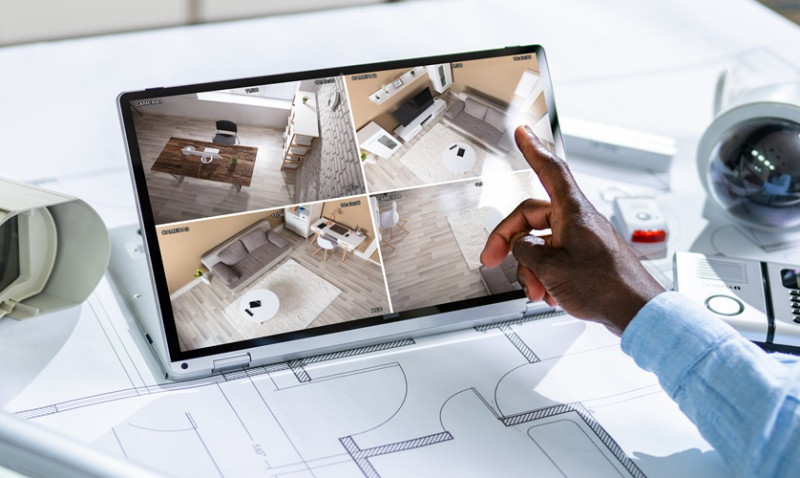
- CCTV and video recording – Some packages include HD cameras with cloud storage, whilst others require separate purchase. Cloud storage subscriptions typically cost £5 to £15 per month.
- Mobile app access – Check whether you can arm and disarm remotely, view live feeds, and receive instant notifications on your smartphone.
- Smart home integration – Modern systems work with Alexa, Google Home, and other platforms. Not all providers support this equally.
- Backup power and connectivity – Look for battery backup lasting at least 24 hours and dual connectivity using both broadband and mobile networks. This keeps the system active during internet outages.
- Professional installation and ongoing support – Installation costs range from £200 to £1,500 depending on property size and system complexity. Support hours and response times vary significantly.
Monitoring Options and Response Times
Your choice of monitoring has the biggest impact on both cost and actual security. Professional monitoring services employ trained operators working 24/7 who respond to alarm signals, verify that the alarm is genuine, and contact police if needed. In the UK, most monitored systems have response times between 30 minutes and 2 hours for police arrival, though this depends on your location.
Three main monitoring approaches exist. Traditional hardwired systems connect to a control centre via landline or broadband. Many providers now offer hybrid systems using both for redundancy. Mobile-based monitoring relies entirely on your internet connection and sends alerts to your phone first, letting you decide whether to contact police. Some providers combine both approaches for flexibility.
Police response to residential alarms has become stricter in recent years. Police typically won't attend unless the monitoring centre provides police-grade verification through CCTV footage or multiple sensor confirmations. This makes choosing a provider with reliable verification systems more important than ever. Check what verification methods each provider uses before signing.
DIY monitored systems have grown in popularity because installation costs are lower, but you need confidence in setting up sensors properly. Professional installation services assess your property, identify vulnerable entry points, and position sensors strategically to avoid false alarms. This expertise costs more upfront but often saves money in the long run by reducing false alarm charges.
Cost Breakdown: Installation, Monitoring, and Contracts
Understanding the full cost prevents unpleasant surprises. Most UK security system providers charge in three distinct ways. Installation fees cover equipment and labour, ranging from £250 for a basic DIY package to £2,000 for a comprehensive professional installation with multiple cameras and sensors.
Monthly or annual monitoring fees are the ongoing costs. Standard residential monitoring typically costs between £12 and £35 per month, whilst commercial systems can exceed £50 per month. Some providers offer discounts for annual payments, saving 10-15% compared to monthly billing.
Contract lengths vary across the UK market. Shorter contracts, usually 12-24 months, offer flexibility but may carry higher monthly rates. Longer contracts such as three or five year agreements often provide better value but lock you in. Always check cancellation terms and what happens if you move house.
Budget for these additional costs:
- Police response fees, typically £400-£800 per year in some areas when your system is professionally monitored
- Equipment replacements and upgrades, usually not covered after the first year
- False alarm charges, ranging from £100 to £300 per incident in some councils
- Cloud storage for CCTV footage, often £5-£15 monthly on top of monitoring fees
Comparing Major UK Security Providers
The UK security market includes established national providers and smaller local companies. National firms typically offer consistent pricing and wider coverage, whilst local providers often deliver more personalised service and faster response times. Your choice depends on whether you value consistency and brand recognition or local relationships and flexibility.
When researching providers, prioritise those with customer review ratings above 4 out of 5 stars, particularly looking at feedback about installation quality and technical support. Check whether they're NSI Gold accredited, which indicates strict professional standards and proper insurance.
Ask potential providers specific questions about their verification procedures, backup systems, and what happens if the control centre loses power. Request written quotations from at least three companies, ensuring quotes include all costs – installation, equipment, monitoring, and any other charges. Some providers offer free quotes with no obligation, whilst others charge for site surveys.
Don't focus on promotional pricing alone. A provider offering unusually cheap monitoring may have higher false alarm charges or slower response times. Read the full contract terms before committing, and understand the cancellation policy if your circumstances change.
Making Your Final Decision
The right security system depends on your specific situation, budget, and preferences. Start by assessing your actual security needs rather than choosing based on what others have. A studio flat in a city centre has different requirements to a detached house with a large garden in a rural area.
Create a priority list of features that matter most to you. If you travel frequently, mobile app access and remote viewing become essential. If you run a business with valuable stock, CCTV recording and professional monitoring are non-negotiable. For renters, a system that doesn't require extensive installation might be preferable.
Compare at least three providers' quotes side by side, using a spreadsheet to track installation costs, monthly fees, contract length, and key features. Factor in long-term costs over a three or five year period rather than focusing only on upfront expenses. The cheapest option rarely offers the best value once you account for service quality and support.
To compare quotes from 3 providers in your area today, contact them directly with details about your property or use comparison tools available through your local council. Getting quotes from established UK security providers helps you make an informed decision based on real pricing and services available in your region.
Frequently Asked Questions
What is the average cost of a security system in the UK?
Installation typically costs £250 to £2,000 depending on complexity, whilst monitoring runs £12 to £35 monthly for residential systems. Total first-year costs usually range from £400 to £2,500.
Do I need professional installation?
Professional installation ensures correct sensor placement and reduces false alarms, though DIY systems are available at lower upfront cost. The choice depends on your technical confidence and property complexity.
How quickly will police respond to an alarm?
Police response times vary between 30 minutes and 2 hours depending on location and whether the monitoring centre provides proper verification. Police now require CCTV footage or multiple sensor confirmations before attending.
What's the difference between monitored and unmonitored systems?
Monitored systems connect to a professional control centre that verifies alarms and contacts emergency services. Unmonitored systems only alert you directly. Monitored systems cost more but provide 24/7 professional response.
Can I install a security system in a rented property?
Yes, but check your tenancy agreement first. Wireless or portable systems that don't require installation are ideal for renters. Some landlords require professional monitoring for additional properties.
Get instant quotes from trusted UK security providers
Compare pricing and features from 3 established security companies in your area. Get free quotes with no obligation and make an informed decision based on real local pricing.
Trending articles
- Signs You Need a Security System ... Feb 2026
- How Much Does a Security System Cost ... Feb 2026
- Security System Costs UK 2026: ... Feb 2026
- Security System Services Comparison: ... Feb 2026
- Why Small Business Security Systems ... Sep 2025
-
 Kerui Standalone Home Office Wireless ...
Jul 2025
Kerui Standalone Home Office Wireless ...
Jul 2025